
Kids stuck at home? You need this list of activities for kids!
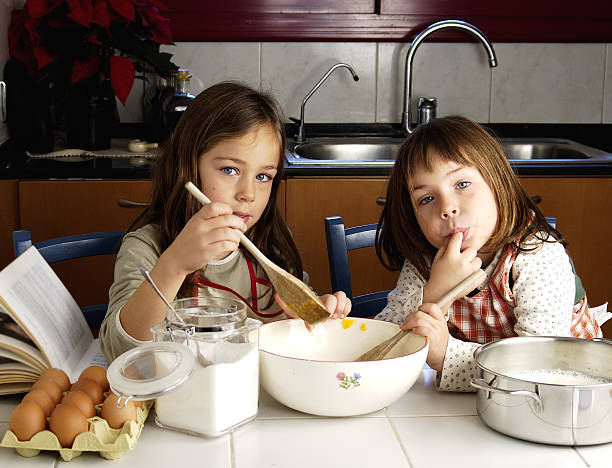
School isn’t the only place for learning activities at the point when your kid’s at home, you’re their educator/teacher. Yet, everything doesn’t need to feel like a classroom exercise. Get your children amped up for finding something new by masking the learning exercises as a great time. Attempt these drawing in and compelling activities that you can do;
Play Learning Games
learning games are games that are designed to be used for or with educational goals. They are still games and posses their formal elements; but learning games go one step further and support the process of teaching and learning through game play.
Put learning moving and fun by playing games that get your children going while at the same time finding out about other subjects.
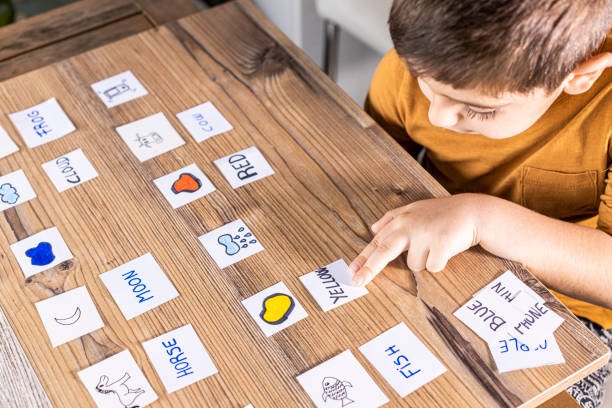
For preschoolers, start with an essential game that causes him learn livestock, numbers, colors (make a tone scrounger chase!), and shapes. Adjust the game for young kids to cover life structures, world government, unknown dialect, and history. What you decide to instruct with this game is just restricted by your creative mind.
Learn Phonics
Teaching and Encouraging your kid to read is the greatest endowments you will actually give them. Learning the basics of phonics (that is, the possibility that letters make certain sounds), gets ready children for spelling and reading readiness.
You don’t need to stand by in a seat unendingly rehashing letter sounds. Attempt exercises that make learning phonics an adventure rather than a repetitive exercise.
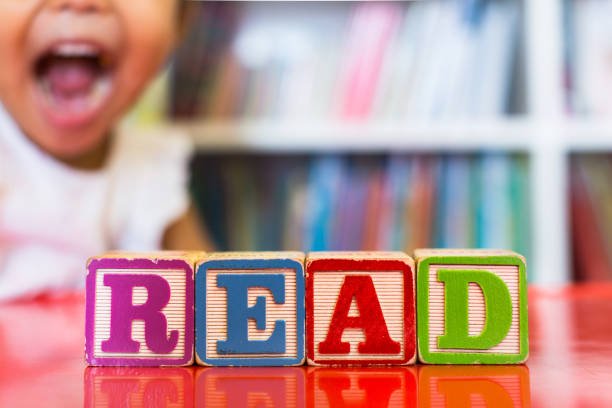
Phonics is a method for teaching people how to read and write an alphabetic language. It is done by demonstrating the relationship between the sounds of the spoken language (phonemes), and the letters or groups of letters (graphemes) or syllables of the written language.
The reason phonics is so widely used is that research shows it works! That’s why the official school curriculum says that children need to be taught to read using a systematic phonics system.
In pre-school or nursery, before they even start learning letter names and sounds, children begin developing their listening skills so that they are tuned into the different sounds in words.
Then, usually in reception or year/primary one, the letters of the alphabet are introduced in a set order, and children learn one sound for each letter. At that point, they can sound out and read simple, short words like ‘c-a-t, cat’ and ‘s-u-n, sun’. Next, children learn that some letters make different sounds when you put them together, like ‘sh’, ‘ee’ and ‘ai’.
Once they’ve learned to read words with the most common letter-sound combinations, children move on to learn lots of alternative combinations.
You can visit our site for more
Explore World Cultures
Put down the course reading. A little innovativeness can help you train your youngster about world culture such that will make learning fun while enhancing their familiarity with others’ conventions and methods of life. The world won’t ever appear to be identical to him again.
.


Much like free writing, writing practice involves turning up and writing about a particular topic, theme or an idea without editing yourself for a pre-determined period.
Whether you’re a blogger, nonfiction writer or novelist, this expressive type of creative work will help you write better.
Writing is a skill your kids will use throughout their life. Teach them to write with methods that go beyond pencil to paper. Get messy. Let them trace. Connect the dots. They’ll be entertained and better prepared for school.
Preschoolers can appreciate making crafts he may discover in different nations and tasting genuine food you cook together. Young kids can consider social behavior, discover a penpal from that country, and take learn words from the authority language
Practice Writing
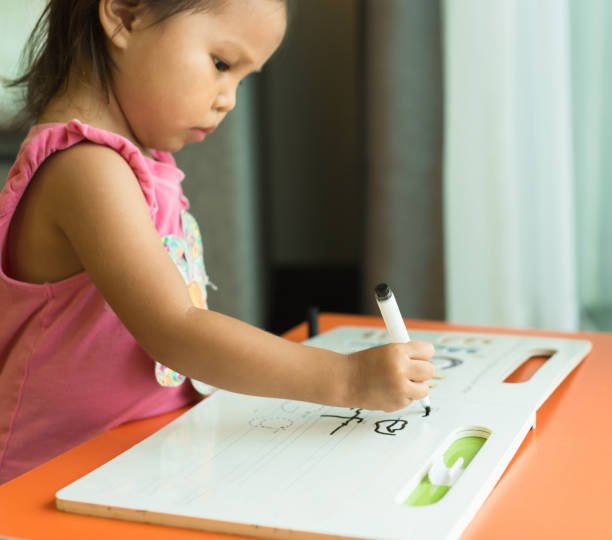
Much like free writing, writing practice involves turning up and writing about a particular topic, theme or an idea without editing yourself for a pre-determined period.
Whether you’re a blogger, nonfiction writer or novelist, this expressive type of creative work will help you write better.
Writing is a skill your kids will use throughout their life. Teach them to write with methods that go beyond pencil to paper. Get messy. Let them trace. Connect the dots. They’ll be entertained and better prepared for school.
Nourish and Improve Their Minds With Music
Hit the right note with fun music classes, making your own instruments (add bells to a paper plate to create a tambourine, for example), and playing musical games. Record instrument sounds and play them back to see if your child can get the answer right, or create a music trivia game and act out the answers.

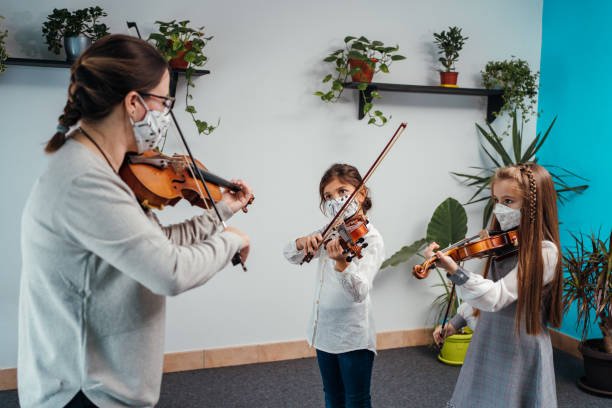
Research has found that learning music facilitates learning other subjects and enhances skills that children inevitably use in other areas. “A music-rich experience for children of singing, listening and moving is really bringing a very serious benefit to children as they progress into more formal learning.
Making music involves more than the voice or fingers playing an instrument; a child learning about music has to tap into multiple skill sets, often simultaneously.