
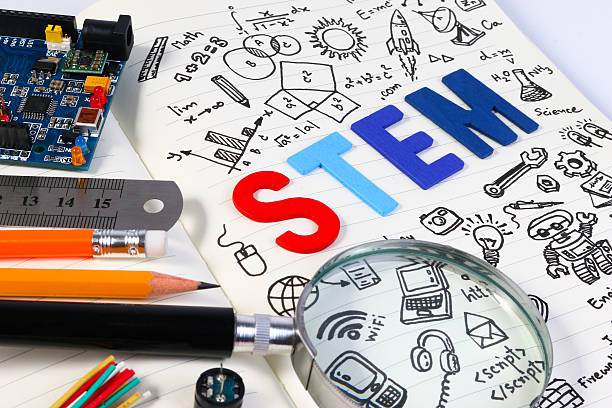
What is STEM?
STEM is an approach to learning and development that integrates the areas of science, technology, engineering and mathematics.
It is a curriculum based on the idea of educating students in four specific disciplines — science, technology, engineering and mathematics — in an interdisciplinary and applied approach. Rather than teach the four disciplines as separate and discrete subjects, STEM integrates them into a cohesive learning paradigm based on real-world applications.
STEM is important because it pervades every part of our lives. Science is everywhere in the world around us. Technology is continuously expanding into every aspect of our lives. Engineering is the basic designs of roads and bridges, but also tackles the challenges of changing global weather and environmentally-friendly changes to our home. Mathematics is in every occupation, every activity we do in our lives. By exposing students to STEM and giving them opportunities to explore STEM-related concepts, they will develop a passion for it and hopefully pursue a job in a STEM field.
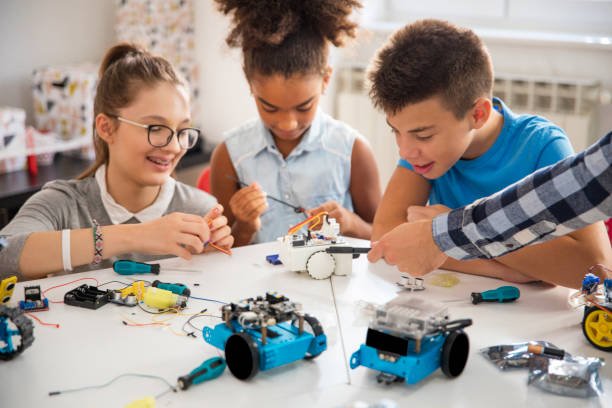
why STEM Education?
In such a rapidly evolving, tech-driven world, introducing STEM education — a curriculum focused on teaching science, technology, engineering and math — to students at a younger age is becoming a more prominent priority in the classroom.
This type of learning strategy has taken academia by storm and caused teachers to rethink their teaching methods and redesign the structure of their classrooms.

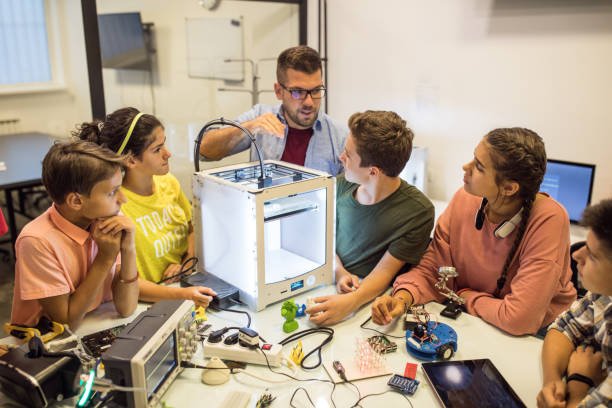
Technology and engineering continue to evolve at lightning speed, so there are more options for students than ever. Tech students might explore medical robotics, live captioning or digital media presentation. Engineering is fairly new in high schools, but curious teenagers are given the chance to make digital musical instruments or even cell phones.
There’s a growing movement in STEM to incorporate training in the soft skills. Geometry class doesn’t really cover teamwork, ethics or communication. Many STEM programs also offer art, humanities and social science courses to engage students and spark creativity. In STEM, learning is hands-on, conclusions are evidence-based, collaboration is common and group discussions are lively.
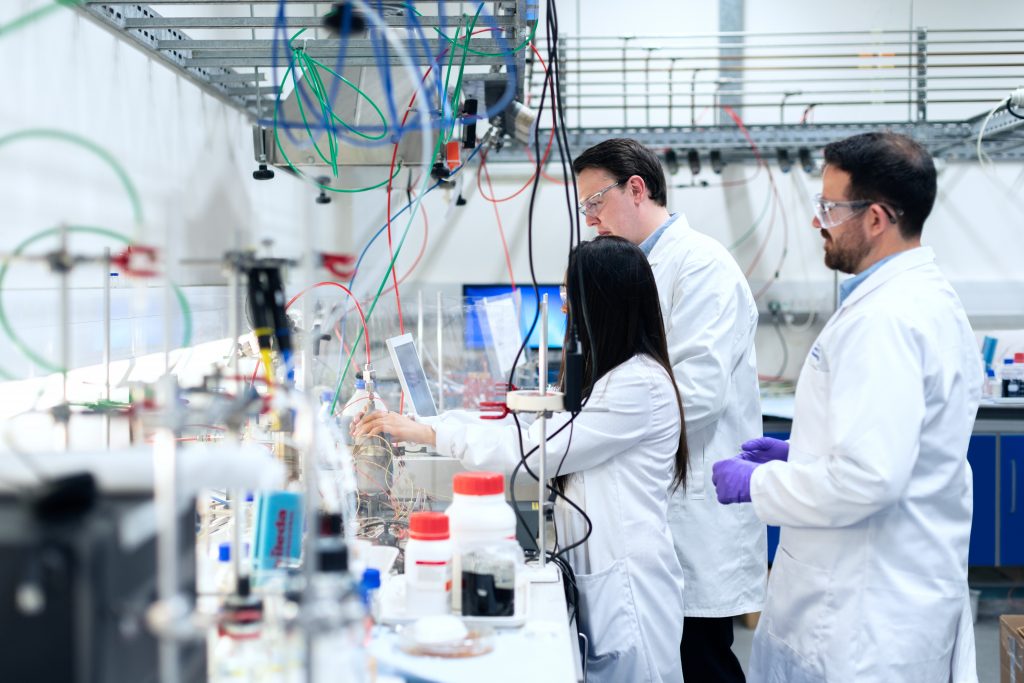
According to the U. S. Department of Commerce, STEM occupations are growing at 17%, while other occupations are growing at 9.8%. STEM degree holders have a higher income even in non-STEM careers. Science, technology, engineering and mathematics workers play a key role in the sustained growth and stability of the U.S. economy, and are a critical component to helping the U.S. win the future. STEM education creates critical thinkers, increases science literacy, and enables the next generation of innovators.
Innovation leads to new products and processes that sustain our economy. This innovation and science literacy depends on a solid knowledge base in the STEM areas. It is clear that most jobs of the future will require a basic understanding of math and science. Despite these compelling facts, mathematics and science scores on average among U.S. students are lagging behind other developing countries.

STEM isn’t just a clever ploy to keep kids awake in chemistry class; it’s increasingly necessary for students who hope to thrive in their future workplace.
By blending the four specific disciplines, STEM education teaches a number of skills that are critical to success in the fastest-growing career sectors, most of which are becoming STEM-related. Examples of these include health care, app design, cybersecurity, analytics and financial planning.
Employers looking to modernize have their pick of job seekers from around the globe. They want well-rounded innovators who readily embrace change and easily adapt. Fortunately, Canada has emerged as a world leader in education and teachers take on the initiative of improving STEM learning for younger students. The new way of learning is expected to become more widespread as STEM-based job opportunities remain in high demand.

STEM education helps to bridge the ethnic and gender gaps sometimes found in math and science fields. Initiatives have been established to increase the roles of women and minorities in STEM-related fields. STEM education breaks the traditional gender roles. In order to compete in a global economy, STEM education and careers must be a national priority. Each and every decision made uses an aspect of STEM to understand the implications.
In conclusion, STEM education is critical to help the HONGKONG remain a world leader. If STEM education is not improved, the HONGKONG will continue to fall in world ranking with math and science scores and will not be able to maintain its global position. STEM education in school is important to spark an interest in pursuing a STEM career in students. However, teachers do not carry the whole burden of STEM education. Parents also must encourage their children to pursue STEM activities and increase awareness and interest at home and in extracurricular activities of the merits of STEM education.
Programs outside of school can help children to see that STEM is more than a class to finish. Having activities that show real-life implication of STEM can pull together the ideas presented in school and help to show how they benefit our society and even our world as a whole. Children can see that what they are learning now is pertinent to their future and the future of the whole world, creating an interest often lacking when learning new concepts that do not seem to carry real-world application. Engineering For Kids, for example, offers a suite of STEM enrichment programs for children ages 4 to 14.
Get to know more about STEM education For Kids by commonsense-edu.org.