
Engineering design is a complex process which requires science, technology, engineering, and mathematic (STEM) knowledge. Students’ self-regulation plays a critical role in interdisciplinary tasks.

Notwithstanding, there is restricted exploration examining whether and how self-guideline prompts diverse learning results among understudies in designing plan. This investigation breaks down the designing plan practices of 108 ninth-grade U.S. understudies utilizing head segment examination and bunch investigation.
It classifies the students into four distinct types:
Competent
Cognitive-oriented
Reflective-oriented
and minimally self-regulated learners.
Competent self-regulated students saw themselves as the most self-directed students and had the best learning gains, in spite of the fact that they didn’t perform best in the undertaking.

Cognitive-oriented self-controlled students saw themselves as the most un-self-directed students despite the fact that they were the second best in both the exhibition of the assignment and learning gains
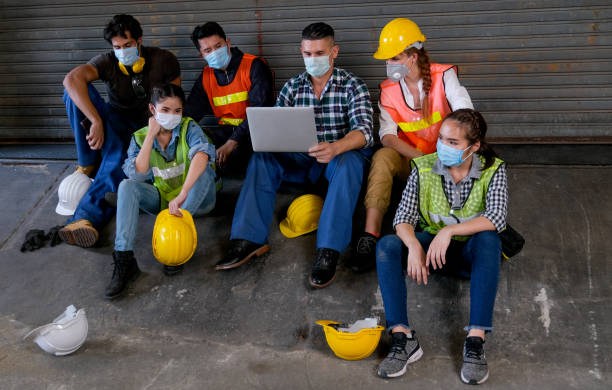
Interestingly, Reflective-oriented students had the best execution in the undertaking.
Minimally self-regulated students didn’t perform well in the assignment and had the least learning gains.
The outcomes uncovered that the equipped self-directed students had a fitting evaluation of themselves to acquire information, intellectual arranged self-controlled students disparaged themselves, intelligent students zeroed in on the aftereffects of the assignment, and insignificantly self-managed students overestimated themselves and applied the least exertion. The outcomes likewise offer new bits of knowledge into STEM instruction and self-managed learning with arising learning investigation.